
High product quality, passed ISO9001 quality management system certification and CE certification.
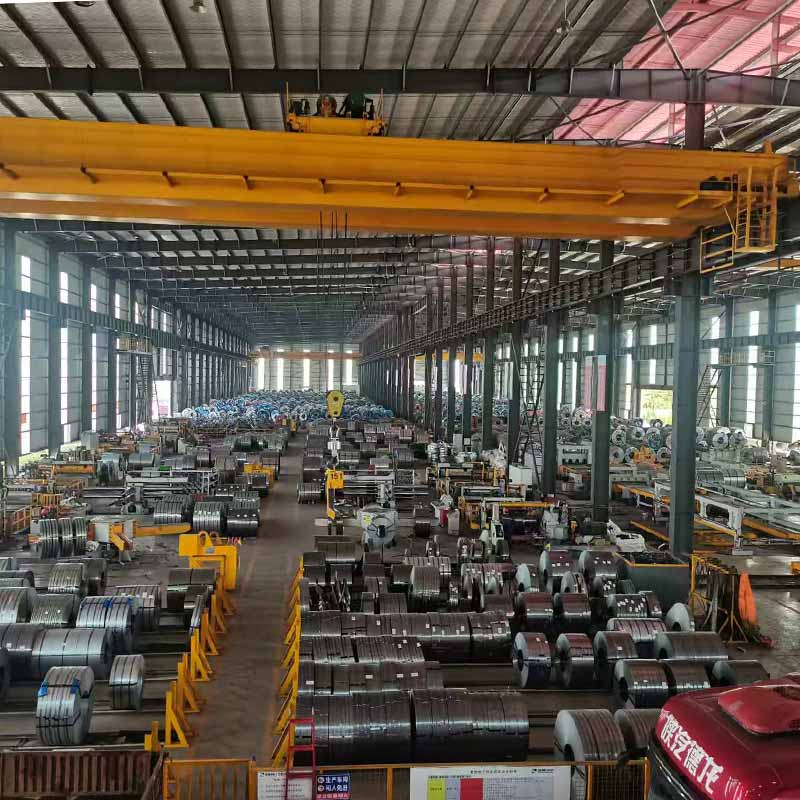
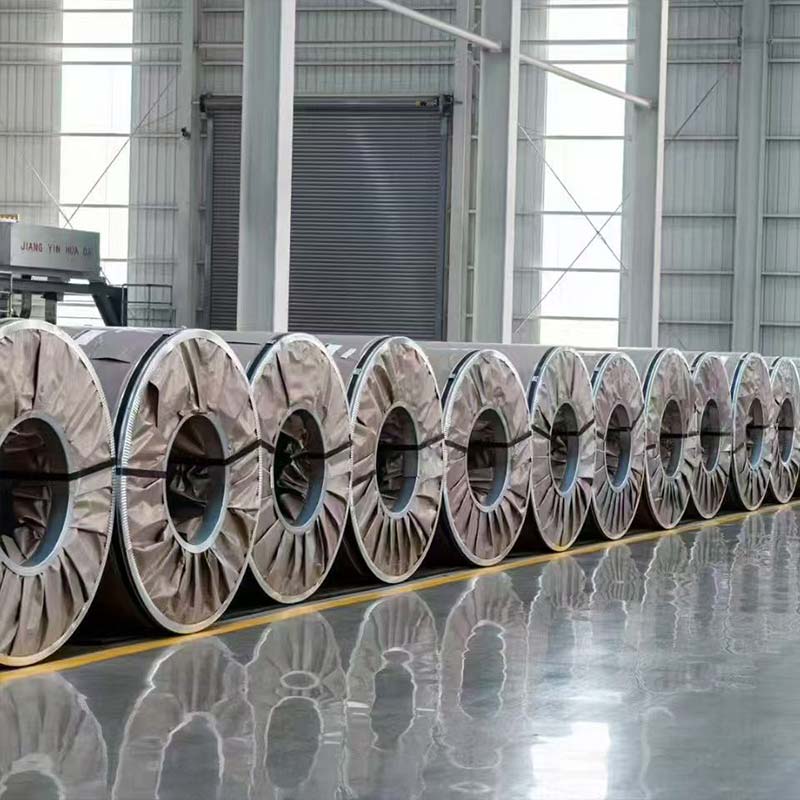
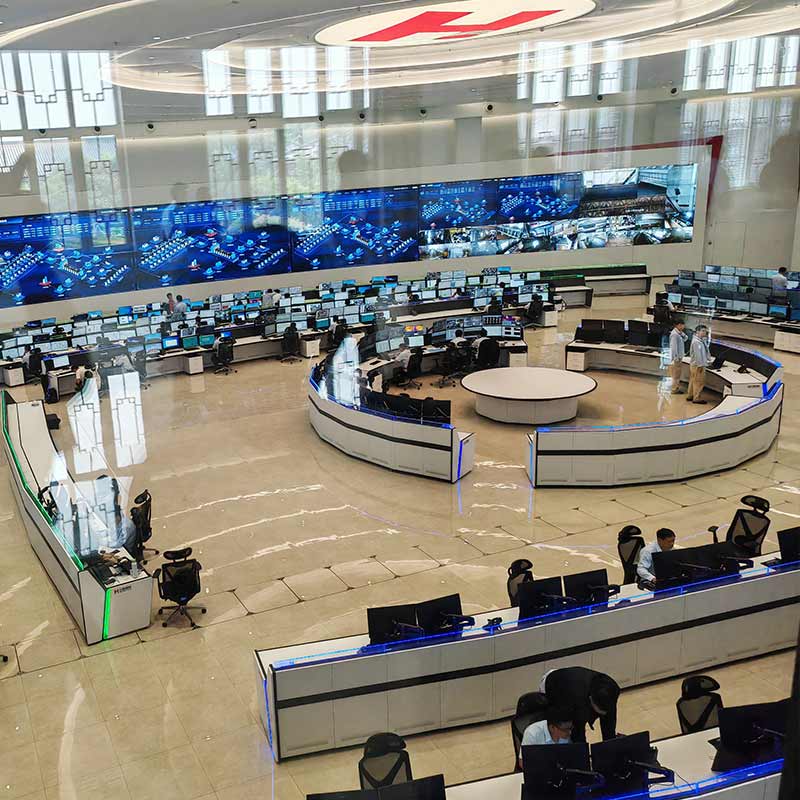
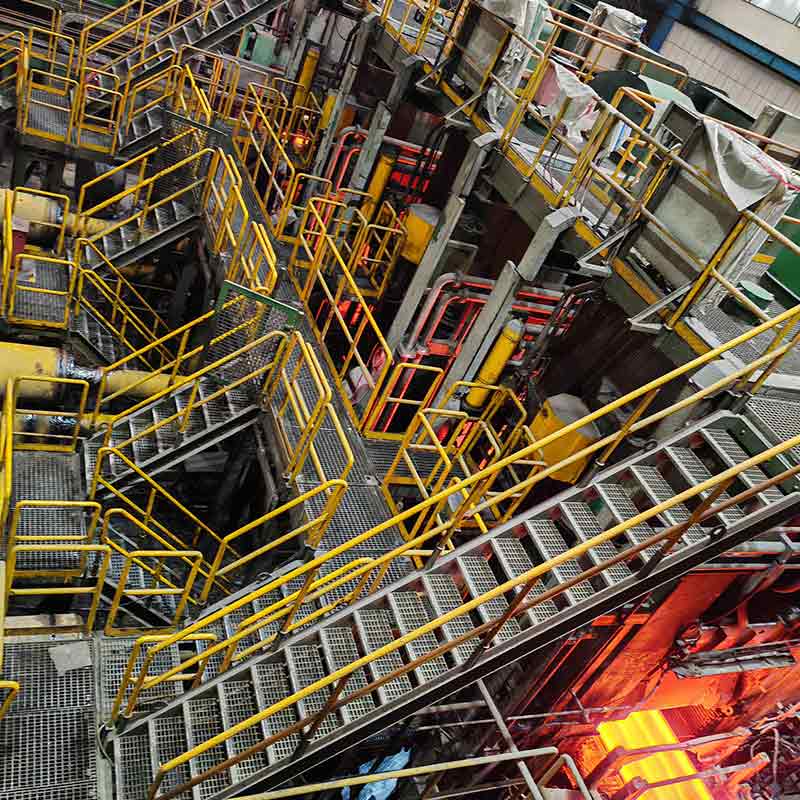
Strong production capacity, complete processing plant equipment, and strict quality control system.
Superior Seismic Performance: Meets seismic reinforcement standards with enhanced strength-to-yield ratio (measured yield strength/specified yield strength ≥ 1.25) and yield-to-tensile ratio (measured tensile strength/measured yield strength ≥ 1.30). Under seismic loads, it effectively delays reinforcement failure, enhancing structural ductility and collapse resistance.
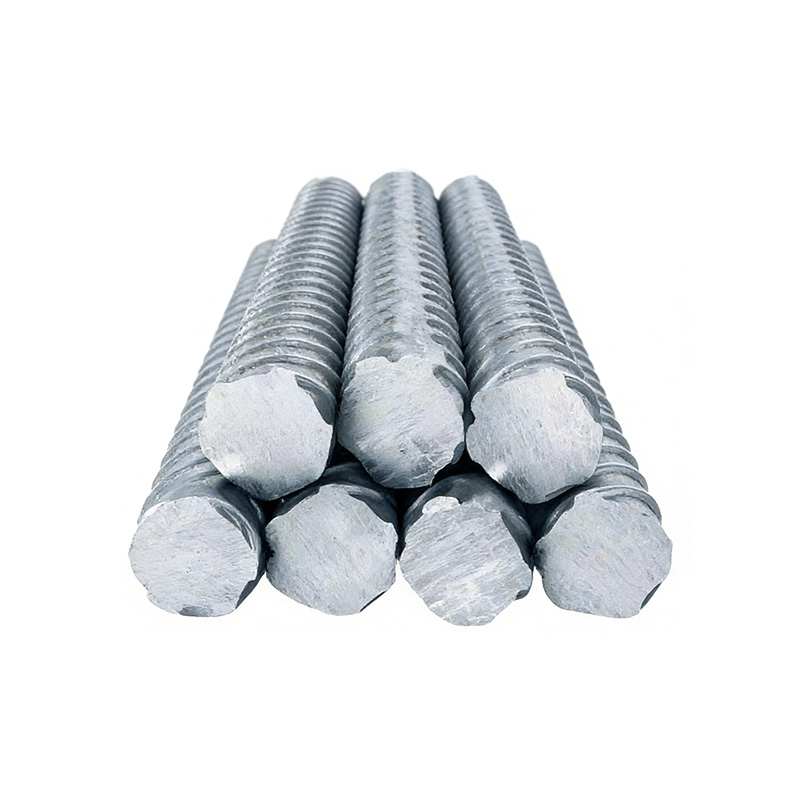
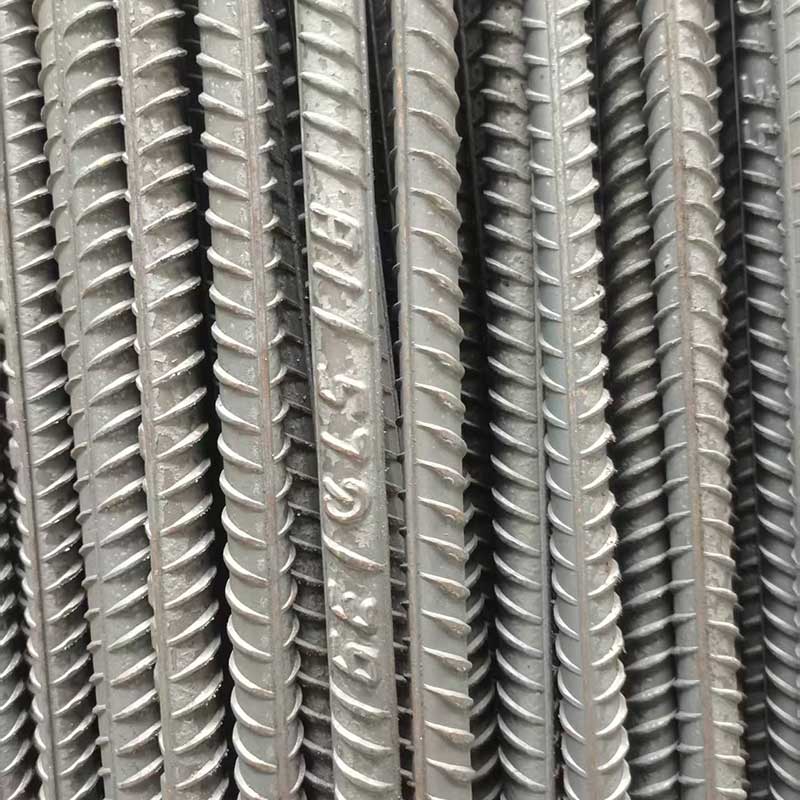
Stable Mechanical Properties: Manufactured using advanced controlled rolling and controlled cooling processes, the rebar surface features crescent-shaped ribs or equal-height rib patterns. This design ensures strong bond strength with concrete, minimizes slippage, and significantly enhances the integrity and load-bearing capacity of reinforced concrete structures.
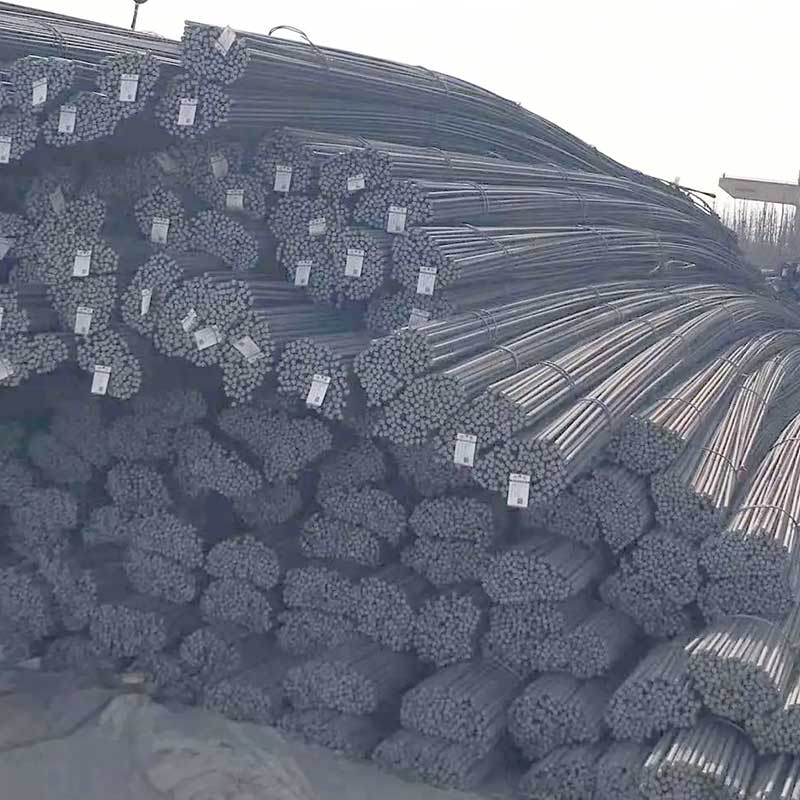
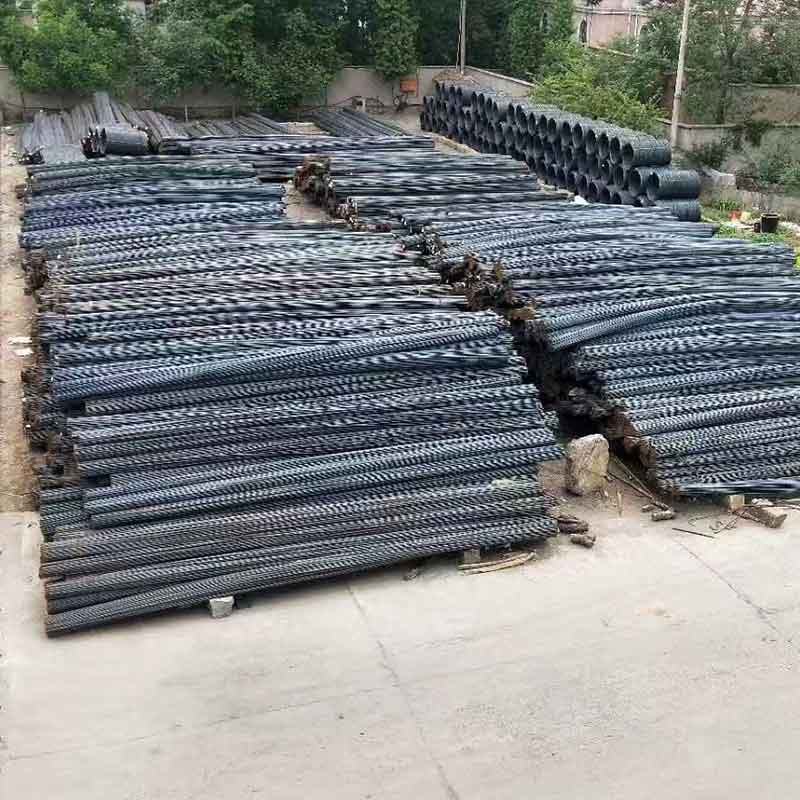
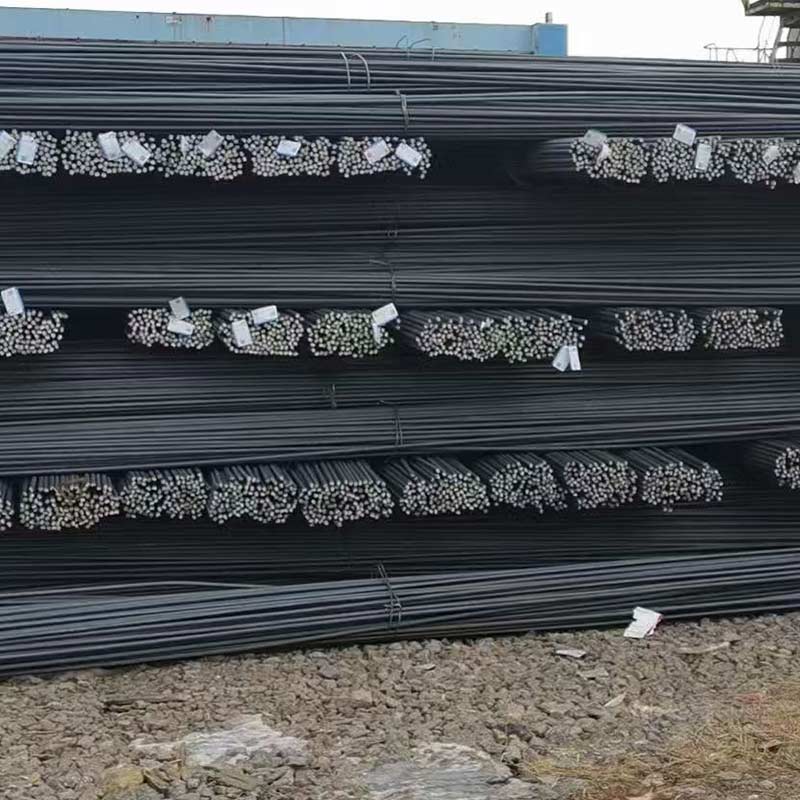
Complete Specifications: Common nominal diameters range from 12mm to 50mm. Custom lengths (e.g., 9m, 12m) or non-standard dimensions can be provided to meet project requirements, accommodating diverse cutting needs across construction scenarios.
Reliable Quality: Products are certified under the ISO9001 Quality Management System. Certain export models comply with international standards like ASTM and BS. Strict control of sulfur and phosphorus content in chemical composition ensures excellent weldability and corrosion resistance.
Appearance Characteristics: Rebar surfaces exhibit clear, uniform ribs with flat ends free of cracks, folds, or scabs. Markings are distinct, displaying grade, manufacturer code, nominal diameter, and other information for quality traceability.
Application Scenarios
Combining high strength with seismic resistance, high-strength ribbed steel bars are the preferred reinforcement material for construction projects in seismic-prone areas. They are widely used in the following fields:
High-Rise Buildings and Residential Structures Used for reinforcing critical load-bearing components such as shear walls, frame columns, frame beams, and floor slabs. Particularly suitable for high-rise residential buildings, office towers, hotels, and other structures in seismic zones of intensity 7 or higher, effectively enhancing the building’s resistance to damage during earthquakes.
Large Public Buildings: For densely populated public facilities like stadiums, convention centers, hospitals, and schools, which demand extremely high structural safety, high-strength rebar serves as the core reinforcement material, ensuring stability under extreme loads.
Infrastructure Projects:
Bridge Engineering: Used in bridge piers, box girders, abutments, and other components to withstand dual impacts from vehicular loads and seismic forces.
Tunnels and Subways: Suitable for tunnel linings and main structures of subway stations, addressing complex underground stress environments and seismic demands.
Water Conservancy and Hydropower Projects: Reinforcement for hydraulic structures like dams, aqueducts, and pump stations, combining compressive, tensile, and seismic resistance to meet long-term service requirements.
Industrial Buildings: Reinforced concrete foundations for factory buildings, warehouses, and steel structures, capable of bearing heavy equipment loads and industrial vibrations while meeting seismic design standards for industrial construction.